

Clients: Rush University Medical Center, University of Chicago Medical Center, Cook County Health and Hospitals System | Partner: Slalom
Opportunity
Chicago faces a stark life expectancy gap, with residents in some neighborhoods living an average of 20 years less than those in others. These disparities are driven by systemic, socioeconomic, and health-related factors. Violence plays a significant role: homicide rates are markedly higher in communities with low economic mobility, including Englewood, West Garfield Park, and Austin, and with Black and Latino men ages 15 to 34 disproportionately impacted.
Violence is a key driver of premature mortality, and a firearm injury registry offers an important opportunity to better understand and address its impacts. The concept for the first-ever firearm injury registry was developed in a Chicago Department of Public Health-led working group. Such a registry could help surface gaps in the standard of care during and after hospital discharge, identify individuals living with trauma, support survivors of violence, and strengthen epidemiological insights into gun violence.
Rush, the University of Chicago, and Senator Durbin's office are collaborating to pilot the firearm injury registry that will use data from across Chicago healthcare systems to track gunshot victims and connect it to electronic medical data. Both Rush University and the University of Chicago Medical Centers bring strong data capabilities and a proven track record of developing similar registries, positioning them well to lead this effort.
Because of Civic Consulting Alliance’s decade-long track record of working with Rush and West Side United, our team was approached to support this new collaborative effort.
Action
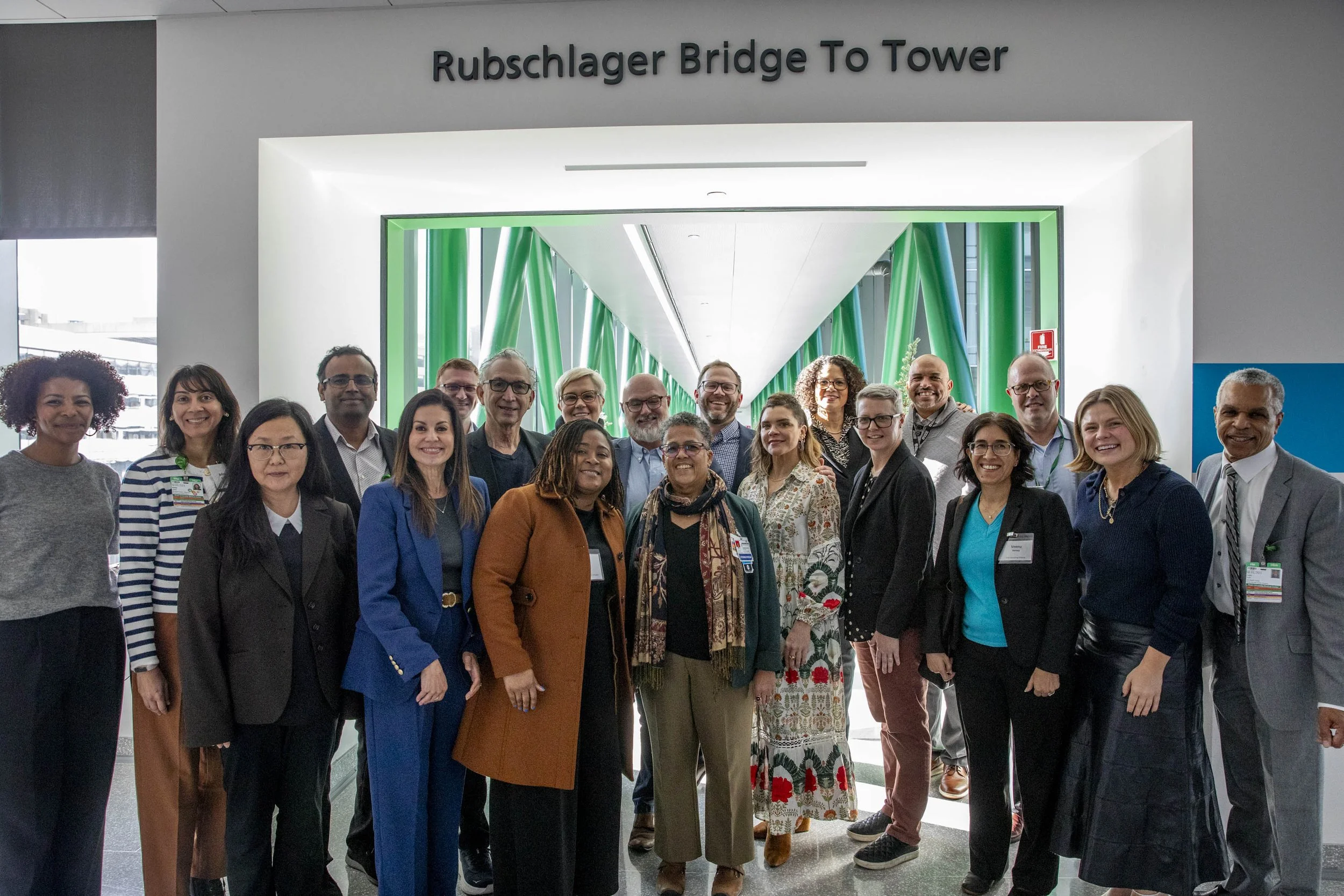
In partnership with Civic Consulting Alliance, Cook County Health, Rush University Medical Center, and the University of Chicago, our pro bono partner Slalom conducted a 10-week discovery project to advance the firearm injury registry.
They engaged with stakeholders such as social services agencies and healthcare practitioners to develop use cases for outcomes to be achieved by the registry and other registries, to gain insights. They also delivered an Implementation Roadmap outlining stakeholder roles, key milestones, and necessary considerations for governance, technical aspects, and legal requirements in the registry development process.
“Over the past several years, I’ve called upon Civic Consulting Alliance again and again to support critical initiatives for Rush and for Chicago’s West Side – initiatives including the Garfield Park Rite to Wellness Collaborative, Sankofa Wellness Village, Live Healthy Chicago, and inter-hospital collaboration to establish a firearm injury registry. In each case, Civic Consulting Alliance served as the cornerstone for institutions, communities, and civic leaders to collaborate and to make meaningful place-based investments on the West Side.”
Impact
By using the registry to identify needs for timely clinical intervention, programs can better support patients' survival and help build healthier communities. Establishing a firearm injury registry to inform evidence-based practice guidelines, clinical and social standards of care, and data-driven policy perspectives is a priority.
Following a structured roadmap, the firearm violence registry can be developed cost-effectively and at scale, ensuring broad adoption and impactful research outcomes.