Partnership for Safe and Peaceful Communities (PSPC)
In 2016, a coalition of funders formed the Partnership for Safe and Peaceful Communities (PSPC)—today a collaborative of nearly 50 funders working to reduce gun violence and rebuild police legitimacy in Chicago.
PSPC’s model is innovative, aligning philanthropic stakeholders with diverse missions to support proven and promising approaches to reduce gun violence. From the beginning, Civic Consulting Alliance has driven this work forward, building upon our body of Public Safety and Criminal Justice platform work and our experience managing complex collaboratives to provide project management, operational, strategy development, and fundraising support.
In 2020, we:
Convened monthly meetings of the Working Group, PSPC’s executive committee, to provide strategic direction and oversight;
Convened bimonthly meetings of all funder members to align on investment strategies, review progress, and share lessons learned;
Coordinated with communications leads and consultant to plan and execute communications strategies;
Coordinated with teams at UChicago Crime Labs, Northwestern University’s Neighborhood & Network Initiative, and MarginNotes that are conducting evaluations of PSPC’s direct services strategies—Heartland Alliance’s READI Chicago, Metropolitan Family Services’ Communities Partnering 4 Peace (CP4P), and the Chicago Fund for Safe and Peaceful Communities, respectively; and
Supported the development of a renewed goal and commitment from funders in 2019 to make a significant contribution to a comprehensive, coordinated, city-wide and City-led plan to achieve at least a 20% decrease in gun violence year-over-year through 2023.
“We are encouraged that the State of Illinois and the City of Chicago have begun providing public funding for community-based violence reduction efforts. This is a testament to the life-saving work of countless people on the ground. It also demonstrates the catalytic impact of early stage philanthropic funding for promising, evidence-based solutions.”
PSPC saw encouraging progress over its first three years, both in terms of increased public funding for evidence-based gun violence prevention strategies, and in terms of reductions in violence. In 2019 compared to 2016, Chicago experienced a 37% decline in homicides and a 40% decline in non-fatal shootings.
“The events of this year—first the COVID-19 crisis and its disproportionate impact on Black and Latinx communities, then the murder of George Floyd—have awakened Chicago and our nation to the long-standing racial inequities that underpin gun violence and so many other challenges.”
The year 2020, however, brought several significant events that demonstrate the need for continued focus on gun violence, and that will shape PSPC’s approach in the years ahead. First, homicides and shootings increased dramatically relative to 2019—by 27% and 42%, respectively, in the first half of the year. Second, the killing of George Floyd in May sparked widespread protests of police brutality and systemic racism, rapidly changing public discourse on police reform.
At the end of June, as PSPC headed into its fourth year, Civic Consulting Alliance and PSPC remained committed to investing in gun violence prevention strategies to sustainably and substantially reduce violence in Chicago. In the year ahead, we will support PSPC in a refresh of its portfolio of strategies, building upon the learnings of the past several years, and in pursuit of sustainably and substantially reducing violence in Chicago.
Outputs
Growth—PSPC grew from 30 members in 2018 to nearly 50 in 2020, including funders who had not previously supported public safety issues, raising awareness of and support for violence reduction in Chicago
Strategic investments—More than $90 million committed to date to support an evidence-based portfolio of strategies to reduce gun violence, which included:
- Street outreach and transitional jobs
- Police reform and community engagement
- Gun policy reform
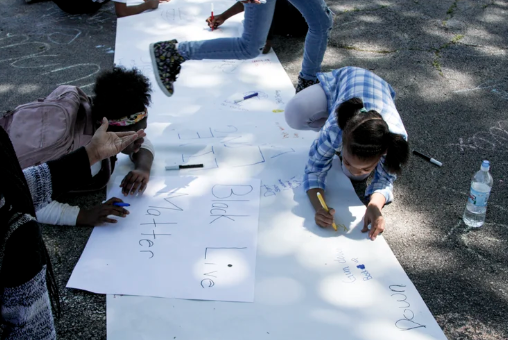
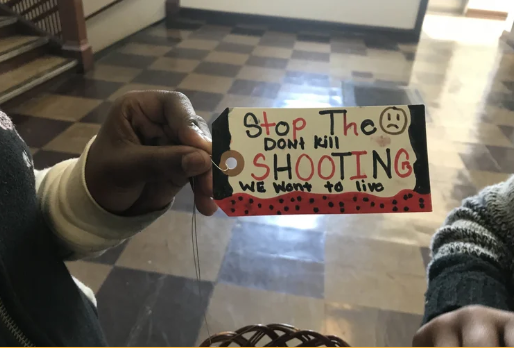
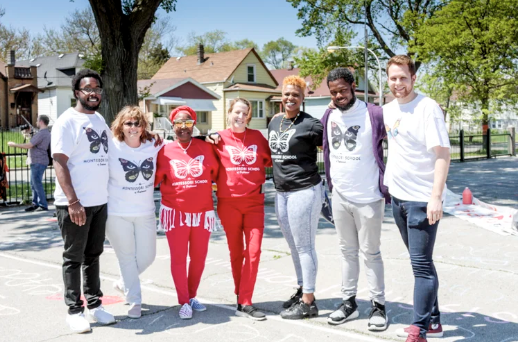
- Rapid-response grants for grassroots events and projects
“Civic Consulting Alliance’s project management skills and breadth of expertise is invaluable to ensuring that PSPC continues to progress towards its goal of reducing gun violence in Chicago amidst changing conditions and new challenges in our city.”
Outcomes
PSPC’s two direct service grantees adapted to assist communities through COVID-19. CP4P street outreach workers acted as community health workers, while READI made cognitive behavioral therapy sessions virtual and continued to provide financial support to participants
Mid-study analysis of READI shows sizable reductions in shooting and homicide victimizations and arrests—the costliest forms of violence—among READI participants after 20 months, but no change in arrests for serious violent crimes more broadly. The study is not complete, however, if these promising results persist, READI has the potential to contribute to the safety and economic opportunity among residents who have been disconnected, underserved, and at grave risk of violence involvement
CP4P partner agencies engaged over 4,400 participants in case management, re-entry services, and victim assistance services in the first half of 2020, an increase of 48% compared to the same time period the previous year
Public funding for community-based violence prevention organizations has grown. In April 2020, Mayor Lightfoot awarded $7.5 million to local organizations working to reduce violence in city neighborhoods, including $6 million for CP4P’s street outreach services, and in 2019, Governor Pritzker signed legislation to legalize recreational marijuana which earmarks a significant share of the state’s profits for anti-violence efforts
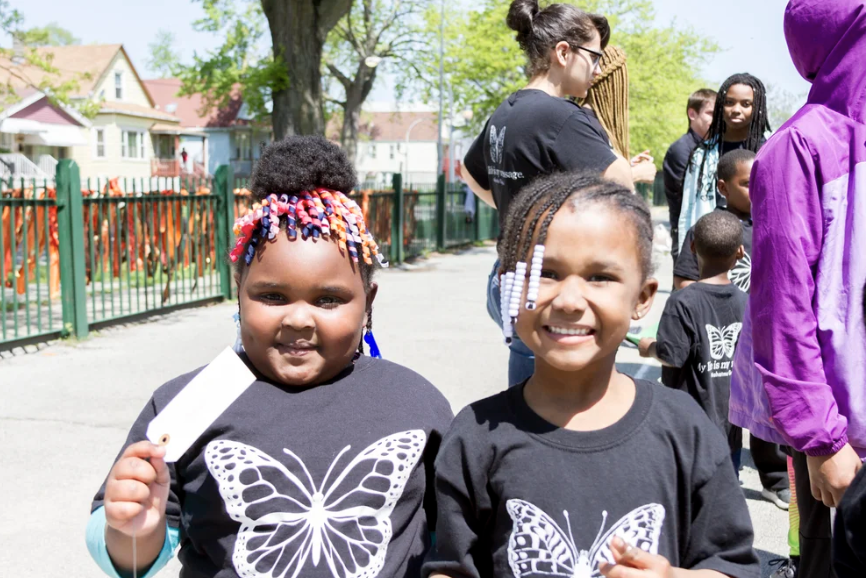
In summer 2019, nearly 58,000 Chicagoans attended community events organized by 181 neighborhood organizations with funding from the Chicago Fund for Safe and Peaceful Communities